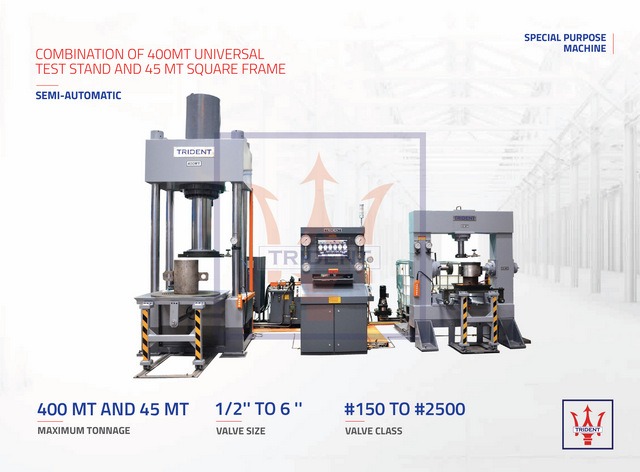
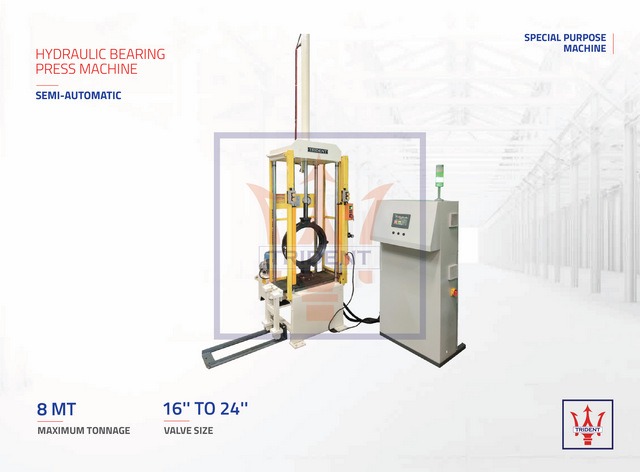
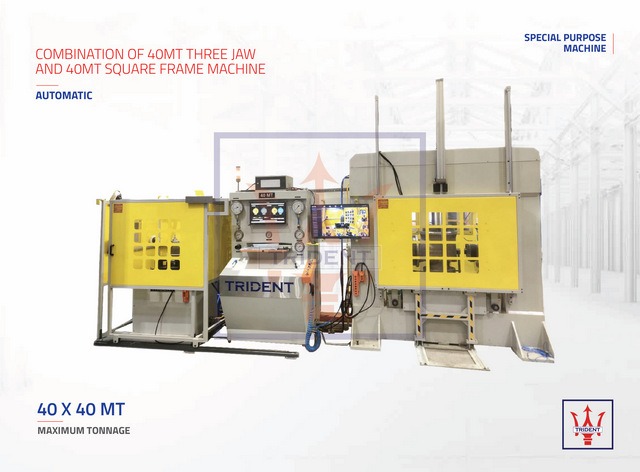
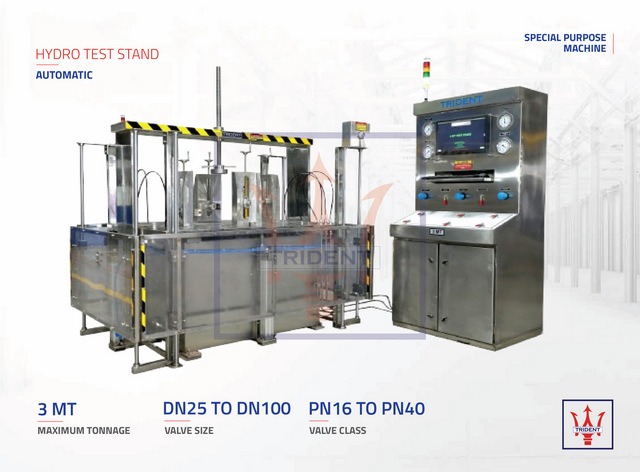
Customization: Special Purpose Machines are designed and built based on the specific needs of a task, whether it’s for manufacturing, assembly, testing, or material handling. Each machine is tailored to fit the requirements of the product or process.
Automation: Many SPMs are highly automated, reducing the need for manual intervention. Automation improves production speed, accuracy, and reduces human error, making the operation more efficient.
Precision: These machines are often used for tasks that demand high precision, such as drilling, cutting, welding, or assembling parts with tight tolerances. Sensors and control systems ensure accurate and repeatable results.
High Productivity: Since SPMs are purpose-built for specific operations, they are optimized to complete tasks faster than general-purpose machines, resulting in increased productivity and lower cycle times.
Durability and Reliability: Designed to handle repetitive tasks, SPMs are built with high-quality materials and components that ensure they can operate reliably for long periods under demanding conditions.
Integration with Production Lines: SPMs are often integrated into larger production systems or assembly lines. They can be configured to work seamlessly with other machines or processes, ensuring a smooth workflow.
Cost Efficiency: Although the initial investment in an SPM may be higher, the long-term benefits of increased production speed, reduced labor costs, and minimal errors make it a cost-effective solution for businesses with high production demands.